What a Rust streamer server in 2026 actually looks like when Stimpee joins Rust Isles
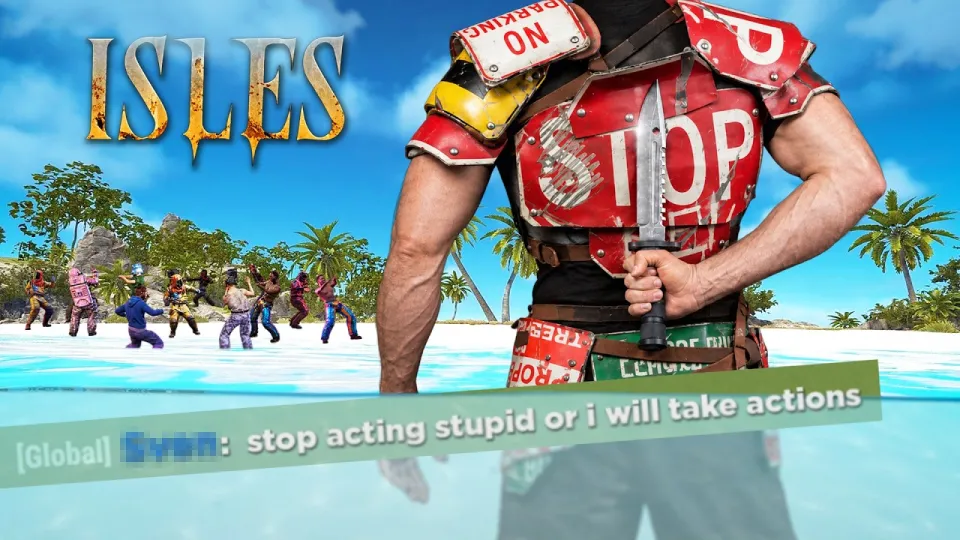
Video: Not Another Rust Streamer Server
Want articles like this for your own video to promote it on YouTube and Google? Order them through the Telegram bot @sat_sit_bot. The bot writes and publishes the articles itself (with your YouTube video embedded) on popular topical websites (no ads). Your first 50 articles are free.
A Rust streamer server is an invite-only Rust world where content creators play together under admin supervision, and in 2026 the most talked-about example is Rust Isles, the pirate-themed server Stimpee joined for a single wipe after years away from that scene. The result is less a survival sandbox than a social experiment: clans, roleplay rules, staged betrayals and moderators watching one player's inventory. You can follow Stimpee's live sessions on his Twitch channel, where the full streams behind this footage air.
What Rust Isles is and how streamer servers differ from public wipes
Rust Isles is a private Rust server built for streamers and content creators, and its ruleset deliberately diverges from a normal official wipe. Instead of raw competition, the server leans on a pirate theme: crews, captains, boats, island claims and a layer of roleplay that shapes who can attack whom and when. Access is by invitation, so the population is small, familiar and heavily moderated compared with a 200-player vanilla server where nobody knows your name.
The practical differences matter for anyone curious about the format:
- Admin oversight is constant, and moderators can inspect inventories, intervene in disputes and set boundaries that would never exist on a public server.
- Progression is compressed because the player base is tiny and coordinated, so bases go up fast and raids happen within days rather than weeks.
- Social rules replace some mechanical ones, meaning a betrayal can be handled in chat or by an admin rather than purely by explosives.
- Content is the point, so encounters tend to be performative, with crews playing characters as much as playing Rust.
That structure is exactly what makes these servers divisive. For a solo player used to scraping stone and wood while dodging roof campers, an invite-only roleplay world with referees looks less like Rust and more like a themed party.
Stimpee on a roleplay server and why admins watched him closely
The core tension of Stimpee's Rust Isles appearance is that a player famous for trolling and trap bases was dropped into an environment that depends on everyone agreeing to play nice. Viewers immediately framed it as a mismatch: a hungry wolf in a farm, a felon at a rich party. The footage supports that reading, because the moderators appear to have gone into his inventory and stripped weapons, a move the audience interpreted as pre-emptive nerfing of a known chaos source.
What makes the dynamic interesting is that Stimpee comes across as comparatively reasonable next to the roleplay theatrics around him. Crews recruit fast, trust instantly and then react badly when that trust is tested. One captain handed him a place in a clan without asking a single question, then treated a stolen boat and a stranded crew as a personal betrayal rather than the obvious roleplay opportunity it was. The server's pirate theme promises looting and double-crossing, yet the social contract quietly forbids it when the wrong person does it.
Clan drama, stolen boats and the limits of pirate roleplay
The most instructive sequence is the boat hijack, because it exposes how thin the roleplay layer is when real expectations sit underneath it. A clan leader recruits a stranger, gives him access to a crew and a vessel, and then discovers that a player known for trolling will troll. Instead of turning the theft into a story, the reaction was a public meltdown in chat and lingering resentment afterwards.
That pattern repeats across streamer servers generally:
- Recruitment happens on vibes, with no vetting, because the population is small and everyone assumes shared intent.
- Rules are enforced unevenly, so the same act is fine as banter from one creator and a violation from another.
- Admins become referees of feelings as much as of mechanics, stepping in when a bit goes further than the group expected.
- The audience notices the imbalance instantly, which is why so many viewers describe these servers as uncomfortable rather than entertaining.
For anyone who plays Rust for the survival and raiding systems, the takeaway is that private roleplay servers optimize for interaction, not for fair competition. The raiding, looting and base building are all still there, but they serve the scene rather than the other way around.
The streamer-server crowd, from Welyn to Jinx
Rust Isles assembles creators whose usual content ranges from cinematic storytelling to chaotic PvP, and the collisions are the real product. Seeing a familiar creator outside their own format lands like spotting a coworker away from work: the persona drops and the ordinary player shows through. That is also why so many commenters concluded that Stimpee, of all people, came off as one of the more normal people in the room.
The crowd dynamic has a cost. Groups of adults performing childish rivalries and instant loyalties read to a chunk of the audience as a VR chat lobby wearing Rust armor, with players behaving like NPCs in someone else's playground. Others find it genuinely funny precisely because the stakes are fake and the reactions are real. Either way, the format tells you more about creator culture than about Rust itself.
What solo players can take from this back to public Rust
A streamer server is a controlled demo, and the contrast with a normal wipe is the useful part. On a public server nobody removes your weapons before you use them, clans recruit by wiping you rather than inviting you, and a stolen boat is simply gone. The habits that keep a solo player alive there are the inverse of roleplay etiquette.
- Build small and cheap early, and spread loot across two or three stashes so one raid does not end the wipe.
- Assume every alliance is temporary; a clan that invites you without questions is a clan that will take your resources without questions.
- Scout before you farm near a monument, because roof campers and tower builders punish predictable routes.
- Treat offline raids as the default threat and log out with nothing valuable in the base you sleep in.
- Use traps, false doors and decoy boxes, the same instincts that made Stimpee a fixture of Rust trolling in the first place.
Those instincts are why the audience reacted to his presence with apocalypse metaphors: on a server where trust is the currency, the player who refuses to honor it holds all the leverage.
Useful links
- Stimpee on Twitch for live Rust streams and the full sessions behind this wipe.
- Stimpee on Twitter for schedule updates and clips.
- Stimpee on Instagram for off-stream posts.
- Stimpee's Discord for community chat and announcements.
Final thoughts on Rust streamer servers
Rust Isles works as television and poorly as a fair survival game, which is the honest summary of the streamer-server format. Stimpee's return after years away shows that the entertainment comes from friction between a troll and a rulebook, not from the pirate theme or the clans themselves. If you want the real Rust experience, public wipes still deliver it with far less supervision and far more consequences. For the curated version, follow Stimpee on Twitch and watch what the moderators have to confiscate next. This breakdown was assembled around the Stimpee channel's Rust Isles video and the reactions it drew.
Key takeaways
- Stimpee streamed his first Rust streamer server in years after getting access to Rust Isles, a roleplay-leaning private server.
- Rust Isles runs on a pirate theme with clans, captains and admin-enforced rules rather than standard vanilla Rust wipe rules.
- Admins reportedly checked Stimpee's inventory and removed weapons, a detail viewers read as pre-emptive moderation of a known troll.
- The server mixes content creators from different Rust backgrounds, including Welyn and Jinx, turning raids into staged social encounters.
- Solo players on public servers face the opposite environment: offline raids, roof campers and clan zergs with no admin referee.
Source: Not Another Rust Streamer Server · Markdown version
Questions & answers
What is a Rust streamer server like Rust Isles?
It is a private, invite-only Rust server populated by content creators and supervised by admins. Rules often include roleplay elements such as clans, captains and themed territories, and moderators can intervene in disputes or inspect inventories. Progression is faster and the population far smaller than on official servers.
Why did admins remove Stimpee's weapons on the server?
Viewers reading the footage concluded that moderators checked his inventory and stripped weapons before he could escalate. Given his reputation for trap bases and trolling, the move looks like pre-emptive moderation rather than a response to a specific rule break. It reflects how much control admins hold on invite-only servers.
Is roleplay Rust worth it for a solo player?
Usually not, because roleplay servers depend on social agreements that solo players cannot enforce. Public wipes still offer the same raiding, looting and building systems with real consequences. If you enjoy the social layer and do not mind admin referees, the format can be entertaining to watch.
Why do streamer-server betrayals cause so much drama?
Crews recruit quickly and assume shared intent, so a stolen boat or a stranded crew feels personal rather than like normal Rust. The pirate theme promises exactly that kind of double-cross, but the social contract quietly forbids it. That gap between stated rules and real expectations is where the conflict comes from.